
As I mentioned in an earlier post, I am cooking for a friend’s birthday party on Saturday. 30-35ish people will attend, so I’ve been cooking pretty much non-stop since I returned home from vacation. Well, either cooking or shopping for ingredients. Regardless, it’s been a busy week. Yesterday was pate and terrine day so I made chicken liver pate (my own recipe) and a duck and fig terrine (which is a recipe from My Paris Kitchen by David Lebovitz). I completely misjudged how long these things would take and I was way off…the wrong way.
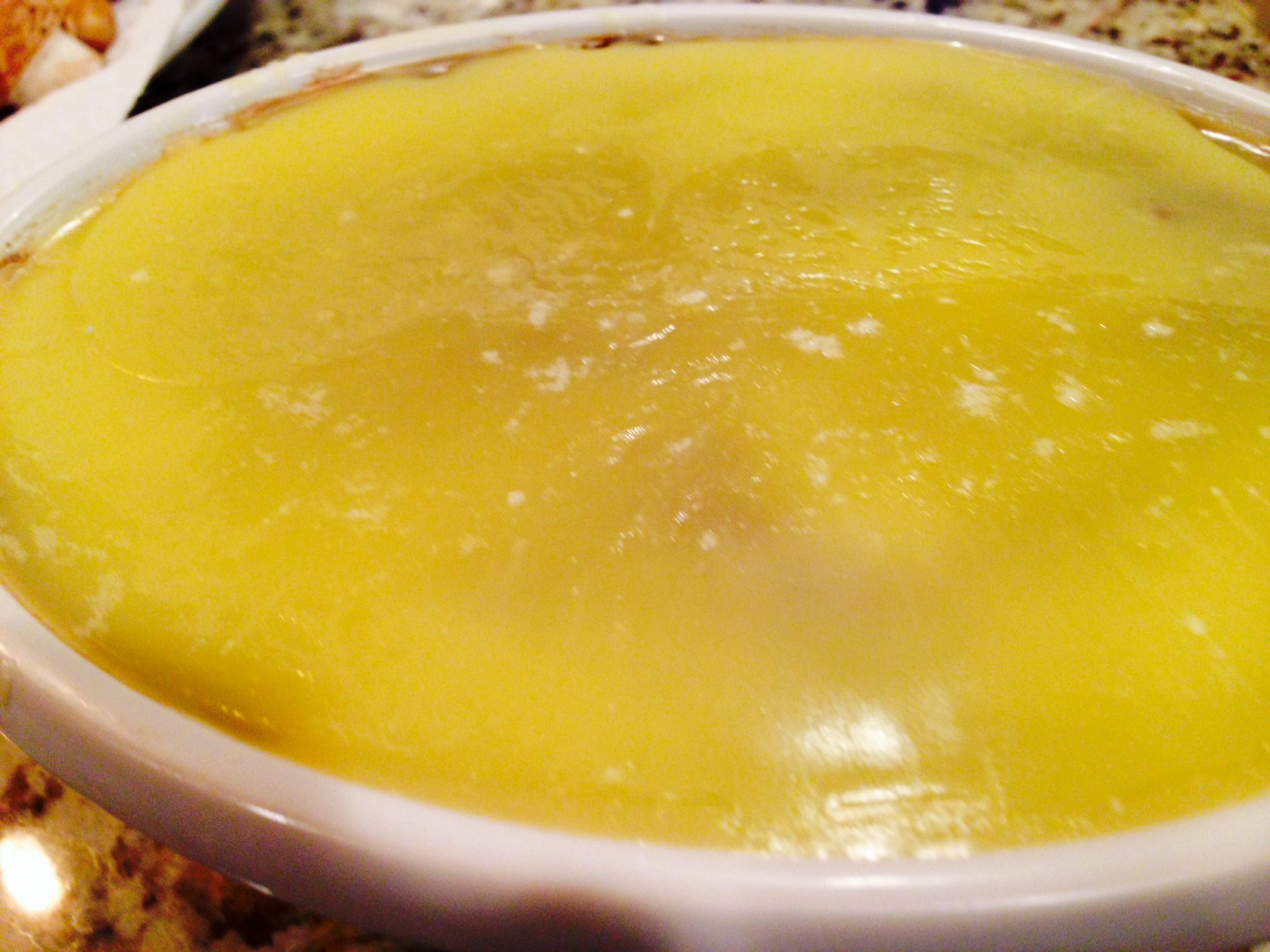
The pate was the quicker of the two as it just involves quick cooking the chicken livers in a bit of oil and then combining the ingredients into a food processor and processing until very smooth. You then simply place the pate into a ramekin or container and top it with something that will seal in the pate from the air to prevent spoilage. If you do this, it will last about a week or so in the refrigerator. Based on my experience and based on what I’ve read on the subject, pates tend to benefit from a day or so in the refrigerator so that the flavors can meld and the pate itself can firm up a bit. At any rate, you can seal your pate with clarified butter (as I did) or you can use chicken or duck fat or some sort of gelee. Clarified butter is sort of a pain to do but in my opinion, it’s a lot easier than rendering chicken or duck fat. So, I went with the clarified butter. Though if you look closely at the picture of the pate with its protective butter coating, you will notice little flecks of white in it. That means I didn’t do that great of a job clarifying the butter. I’m pretty sure this was due to the fact that I was losing patience and very tired when I finally got to that stage. Hopefully you will fare better in this regard.
There are lots of ways of making chicken liver pate, with a myriad of suggested methods and ingredients. This recipe is easy to pull off and, in my opinion, it’s pretty tasty. Go ahead and dip your big toe into the pate pool and try it. Serve it with some dark, crusty bread or crackers and some onion marmalade or a similar sort of sweet and savory spread.
Almost forgot…in my opinion it’s important to go with organic chicken livers here. They are a bit more expensive but I’ve used both organic and regular chicken livers and I have to say the color difference alone is amazing. The regular ones are paler, almost red gray, and they have little fatty deposits that are visible and need to be removed. The organic ones, by contrast, sport a very vibrant and deep blood red/burgundy color and generally they are absent of any fatty deposits. It’s a pretty amazing contrast. At any rate, I think it’s worth going organic here. I bought mine at the meat market and they ordered them for me and I simply picked them up the next day. If you don’t want to go through that trouble, use the regular ones…just be sure to remove the whitish/yellow fatty deposits before proceeding.
Enjoy! Recipe follows after the jump…
Ingredients:
1 Pound organic chicken livers
1 ½ Onions, chopped coarsely
4 Garlic cloves, coarsely chopped
4 Fresh sage leaves, finely chopped
Olive oil
Grapeseed oil
Heavy Whipping Cream
¼ Cup Cognac, plus more as needed
Pinch of nutmeg or mace
Fine sea salt
1 ½ Sticks of unsalted butter
Instructions:
- Gather food processor and large heavy bottomed skillet.
- Coarsely chop onion and garlic. Heat heavy skillet over medium high heat. Add a couple tablespoons of grapeseed oil along with one tablespoon of olive oil. Add the onions and sprinkle with a bit of fine sea salt. Cook onions until fully cooked and slightly browned. You may need to adjust range temperature downward as you go. Once the onions are done, add the garlic and cook another minute or two, until garlic is softened.
- Poor onion and garlic mixture into bowl and set aside.
- Dry off chicken livers with paper towels, season with a bit of fine sea salt. Wipe pan out and place back on range over medium heat. Add a couple tablespoons of grapeseed oil. Place chicken livers into pan. Do not overcrowd the pan…you will likely have to cook a few batches.
- Cook chicken livers over medium heat until the livers are cooked, but still pink on the inside (about 2 minutes per side). Once done, add chicken livers to a plate and continue with the same process until all the chicken livers are cooked.
- Once the chicken livers are finished, bring the livers and the onion mixture to the food processor. Add both the livers and the onions to the food processor and turn on to puree.
- While running, add the cognac, a couple tablespoons of olive oil, and a couple tablespoons of cream. Continue pulsing until you achieve a smooth consistency.
- Add salt to the mixture and pulse again. Taste the pate and adjust the salt level. If you feel it’s too thick, add a bit more cream a couple tablespoons at a time until you get to a texture that you like.
- Sometimes if you overcook the livers, it will result in a grainy texture. One way to fix this is to that the pate and place it in a fine mesh strainer. From there, simply push the pate through the strainer a little bit at a time, scraping the bottom into a bowl. This should help that out a lot…though it will take some time and it creates a bit of a mess…so you can do this or just remember to cook the livers a bit less the next time.
- Place the pate into ramekins or smaller bowls and set aside. Level the pate off the off with either an off-set spatula or a knife.
- Place butter in small saucepan and melt completely over a low to simmer setting on the range. As the butter melts the butter/milk solids will separate from the oil/fat. The solids will look milky white and the oil will look deeply buttery. Remove the solids from the butter with a spoon until all the solids are removed. You are left with clarified butter.
- Spoon the clarified butter over the ramekins or bowls until the pate is completely covered. Once covered, add directly to the refrigerator uncovered with anything else. Allow the clarified butter to completely solidify. If after that, pate specks peak out from the butter layer, simply add more clarified butter over it and place back into the refrigerator to solidify again.
- Once done, cover loosely with plastic wrap and leave in the refrigerator until ready to use.
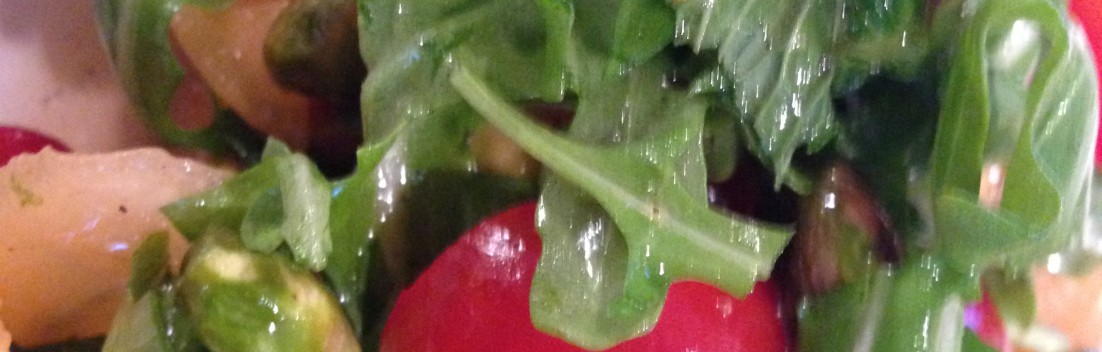
To serve, bring it out about 30 minutes or so prior to serving. Serve with crisped, toasted dark crusty bread along with some onion marmalade or other sweet and savory items such as cornichons, etc. To make it a meal, add a salad.
PS: You can either eat the butter as part of the pate or you can simply remove it. Truth be told, I eat the butter right along with it and my wife removes it. We both enjoy it so I don’t think you can go wrong either way, though removing it is probably ultimately a bit better for your health.

 culinary flights of fancy